THE DEFINITIVE HYPOTHETICAL DEBATE
Poe vs. Steel City Interactive
(Representative Positions — Not Quotes, Not Insider Claims)
REQUIRED FRAMING (READ ONCE, THEN PROCEED)
“What follows is a hypothetical debate.
These are not real conversations, not direct quotes, and not insider information.
This format represents long-standing arguments and design philosophies within boxing video games.”
“We are not asking what is possible.
We are asking what was chosen.”
BASELINE AGREEMENTS (LOCK THESE IN)
Moderator:
“For the purposes of this debate, the following are accepted facts:
Boxing games have existed for over 40 years
Over 100 boxing games predate the modern era
Modern engines exceed PS2/PS3 capabilities by orders of magnitude
Genre knowledge accumulates — it does not reset”
“With that established, novelty-based excuses are off the table.”
SECTION I — PURPOSE OF A BOXING GAME
Q1
Should a boxing game teach boxing, or reward controller mastery?
Developer Perspective:
We want players to feel skilled quickly.
Poe:
Then you’re teaching gaming, not boxing — and that choice should be stated clearly.
Q2
If players develop habits that would get them knocked out in real boxing, who failed?
Developer Perspective:
Players will always optimize mechanics.
Poe:
Then mechanics should punish bad boxing, not reward it.
Q3
Should bad boxing decisions ever be mechanically optimal?
Developer Perspective:
Mechanical freedom allows expression.
Poe:
Expression that contradicts the sport is distortion.
SECTION II — HISTORY & PRECEDENT
Q4
Is clinching a historically solved design problem?
Developer Perspective:
It’s been done before.
Poe:
Then it’s a baseline — not a risk.
Q5
Does genre history create obligation?
Developer Perspective:
It informs decisions.
Poe:
Then precedent being ignored is a choice, not oversight.
Q6
Is removing previously standard systems innovation or regression?
Developer Perspective:
Sometimes streamlining is necessary.
Poe:
Streamlining that erases boxing logic is regression.
SECTION III — TECHNOLOGY & REALITY
Q7
Do modern engines make boxing systems easier or harder to implement?
Developer Perspective:
Easier in some ways, harder in others.
Poe:
Name what’s harder about boxing logic specifically.
Q8
Is there a technical reason referees can’t exist in modern boxing games?
Developer Perspective:
Not technically, but…
Poe:
So the reason isn’t technical.
Q9
If wrestling games can manage five characters and referees, why can’t boxing?
Developer Perspective:
Boxing pacing is different.
Poe:
Different doesn’t mean simpler.
SECTION IV — AI & BEHAVIOR IDENTITY
Q10
Should AI boxers ever refuse to engage?
Developer Perspective:
That risks frustrating players.
Poe:
So does real boxing.
Q11
If two AI boxers share ratings but behave identically, what do ratings mean?
Developer Perspective:
They represent potential.
Poe:
Potential without behavior is cosmetic.
Q12
Should AI boxers fight to survive rather than always to win?
Developer Perspective:
Players expect competition.
Poe:
Survival is competition in boxing.
Q13
Should AI have psychological breaking points independent of stamina or health?
Developer Perspective:
That adds unpredictability.
Poe:
Boxing is psychological first.
SECTION V — FIGHT FLOW & PACING
Q14
Should some rounds feel uneventful if boxing dictates it?
Developer Perspective:
We aim for consistent action.
Poe:
Then you’re pacing entertainment, not simulating boxing.
Q15
Is constant action a design goal or a marketing one?
Developer Perspective:
Players respond to activity.
Poe:
That’s marketing logic.
Q16
Should “ugly” but effective boxing be rewarded?
Developer Perspective:
Presentation matters.
Poe:
Winning ugly is still winning.
SECTION VI — BALANCE & ONLINE DOMINANCE
Q17
Does online balance require all boxers to be viable in all situations?
Developer Perspective:
Competitive fairness is important.
Poe:
Boxing is asymmetrical by nature.
Q18
Can online and offline rulesets be separated?
Developer Perspective:
They can.
Poe:
Then online should not dictate offline.
Q19
Is “balance” about fairness or reducing variables?
Developer Perspective:
Both.
Poe:
Reducing variables erases boxing.
SECTION VII — CASUAL PLAYERS & ACCESSIBILITY
Q20
Do casual players want fewer systems or clearer systems?
Developer Perspective:
Accessibility.
Poe:
Accessibility is onboarding, not ceiling.
Q21
Are presets and assists proven solutions?
Developer Perspective:
Yes.
Poe:
Then depth removal isn’t protection.
Q22
Who benefits when depth is removed?
Developer Perspective:
Stability.
Poe:
For developers — not players.
SECTION VIII — PRIORITIES & HONESTY
Q23
When you say “we had to prioritize,” what does that mean?
Developer Perspective:
Time, scope, resources.
Poe:
So values, not impossibility.
Q24
Were systems cut because they increased QA and tuning costs?
Developer Perspective:
They add complexity.
Poe:
Complexity isn’t failure — it’s expense.
Q25
Why is visual fidelity rarely questioned, but systemic depth often is?
(Let this breathe.)
SECTION IX — PLAYER AGENCY
Q26
Who should control the boxing experience — developer or player?
Developer Perspective:
Developers curate.
Poe:
Curating boxing removes unpredictability.
Q27
When players ask for sliders, what are they really asking for?
Developer Perspective:
Customization.
Poe:
Ownership.
Q28
Should advanced players be constrained for beginners?
Developer Perspective:
Balance requires it.
Poe:
Then mastery is punished.
SECTION X — YES / NO LIGHTNING ROUND
Answer without explanation.
Were referees technically possible?
Was clinching mechanically solvable?
Could AI styles have deeper identity?
Could realism be optional instead of removed?
Could online and offline logic be separated?
“Any ‘yes’ reframes the entire debate.”
FINAL QUESTION (ENDS THE SEGMENT)
Q29
If history exists, technology exists, and solutions exist — what’s left?
Developer Perspective:
Vision and risk.
Poe:
Exactly.
That’s the real debate.
FINAL HOST CLOSING (OPTIONAL)
“This hypothetical debate isn’t about blaming developers.
It’s about being honest about choices.
Boxing games didn’t forget how to be boxing games —
they chose not to be.”
WHY THIS MASTER VERSION WORKS
One cohesive narrative
No repeated arguments
Pressure without defamation
Clear philosophical divide
Podcast-ready pacing
Modular for multiple episodes
ADDITIONAL Q&A — PROOF BY PRECEDENT
Poe vs. Steel City Interactive
(Representative positions, not quotes)
SECTION XI — OTHER SPORTS ALREADY SOLVED THIS
Q30
Q:
If other sports games already separate realism, simulation, and accessibility, why is boxing treated as an exception?
Developer Perspective:
Boxing has unique challenges.
Poe:
Every sport claims uniqueness — that’s not an answer.
Q31
Q:
Racing games let players toggle assists, damage models, and realism. Why can’t boxing do the same?
Developer Perspective:
Too many variables affect outcomes.
Poe:
That’s exactly why options exist.
Q32
Q:
If flight simulators can scale from arcade to full cockpit simulation, what prevents boxing from scaling similarly?
Developer Perspective:
Those audiences expect complexity.
Poe:
So did boxing fans — until they were trained not to.
Q33
Q:
Sports management games simulate entire organizations, finances, morale, and psychology. Why is boxer psychology considered “too much”?
Developer Perspective:
Moment-to-moment gameplay is different.
Poe:
Psychology is moment-to-moment boxing.
Q34
Q:
If wrestling games handle referees, interference, stamina, selling, and match pacing, what technical wall does boxing hit?
Developer Perspective:
Wrestling is scripted differently.
Poe:
Scripted doesn’t mean simpler — it means more states.
Q35
Q:
Football games track fatigue, injuries, morale, playbooks, and tendencies simultaneously. Why is boxing limited to surface stats?
Developer Perspective:
Football distributes complexity across players.
Poe:
Boxing concentrates it — that’s not a limitation, it’s focus.
SECTION XII — SPECIFIC SPORTS GAME RECEIPTS
Q36
Q:
Basketball games already use tendencies, badges, hot/cold zones, and AI personalities. Why aren’t those ideas fully embraced in boxing?
Developer Perspective:
Boxing is more direct.
Poe:
Direct doesn’t mean shallow.
Q37
Q:
In baseball games, players can win without constant action. Why must boxing always be active?
Developer Perspective:
Downtime risks disengagement.
Poe:
Then boxing is being treated like an arcade loop, not a sport.
Q38
Q:
Hockey games allow physical imbalance, momentum swings, and ugly wins. Why is boxing sanitized?
Developer Perspective:
Clarity for players.
Poe:
Clarity isn’t cleanliness.
Q39
Q:
MMA games simulate clinches, grappling layers, stamina drains, and positional advantage. Why is boxing clinching treated as unsolvable?
Developer Perspective:
Boxing clinches are different.
Poe:
Different doesn’t mean impossible.
Q40
Q:
Racing sims punish reckless driving harshly. Why doesn’t boxing punish reckless punching equally?
Developer Perspective:
Players expect freedom.
Poe:
Freedom without consequence isn’t sport.
SECTION XIII — INDUSTRY REALITY CHECK
Q41
Q:
Is there any modern sports genre that improved by removing core mechanics?
Developer Perspective:
Simplification can broaden appeal.
Poe:
Name one where depth didn’t eventually return.
Q42
Q:
Why do other sports trust their audiences with sliders and rule customization, but boxing doesn’t?
Developer Perspective:
Risk management.
Poe:
Then fear is driving design.
Q43
Q:
If realism can be optional, why is it often removed entirely?
Developer Perspective:
Maintenance cost.
Poe:
Cost explains decisions — it doesn’t justify pretending they’re technical.
Q44
Q:
Why is esports compatibility treated as a requirement instead of a mode?
Developer Perspective:
Competitive longevity.
Poe:
Longevity for whom?
Q45
Q:
Other sports games let players self-select difficulty and realism. Why not let boxing players self-select their experience?
Developer Perspective:
Fragmentation concerns.
Poe:
Fragmentation already exists — it’s just unmanaged.
SECTION XIV — COMPARISON QUESTIONS (NO DEFLECTION)
Q46
Q:
If basketball games allow foul variance and referee personality, why can’t boxing?
Developer Perspective:
Consistency.
Poe:
Consistency isn’t realism.
Q47
Q:
If baseball games model slumps, confidence, and momentum, why can’t boxers mentally unravel mid-fight?
Developer Perspective:
Hard to visualize.
Poe:
HUDs, animations, behavior changes already exist.
Q48
Q:
If football games allow different rule sets per league, why must boxing use one global rule logic?
Developer Perspective:
Standardization.
Poe:
Standardization flattens the sport.
Q49
Q:
If management sims embrace spreadsheets of hidden data, why is hidden boxing logic seen as dangerous?
Developer Perspective:
Players want transparency.
Poe:
They want control, not exposure.
Q50
Q:
Why do other sports evolve by layering systems, while boxing evolves by subtracting them?
(Let that one sit.)
Host:
“At some point, comparisons stop being theoretical.
Other sports already proved what’s possible.
The question isn’t whether boxing can follow —
it’s whether it’s allowed to.”
WHAT THIS ADDITION DOES
Grounds the debate in industry proof
Removes “boxing is special” as a shield
Shows that options-first design already works
Frames omissions as strategic decisions
Gives listeners concrete comparisons they already understand
SECTION XV — WHY A SURVEY IS REQUIRED (NOT REQUESTED)
Hypothetical Q&A Extension
Poe vs. Steel City Interactive
(Representative positions, not quotes)
Q51
Q:
Why isn’t ongoing community feedback enough?
Developer Perspective:
We read forums, social media, and creator feedback.
Poe:
Unstructured feedback is noise.
A survey turns noise into data.
Q52
Q:
Who does a formal survey actually pressure?
Developer Perspective:
Primarily the development team.
Poe:
No — it pressures publishers, investors, and shareholders because it creates measurable demand.
Q53
Q:
Why does a survey matter more than passionate posts or videos?
Developer Perspective:
Surveys are limited snapshots.
Poe:
They’re standardized snapshots — and that’s what decision-makers trust.
Q54
Q:
What happens internally when a survey shows overwhelming demand for missing systems?
Developer Perspective:
It informs future planning.
Poe:
It also removes plausible deniability.
Q55
Q:
Why hasn’t a comprehensive design survey been issued already?
Developer Perspective:
Surveys can create expectations.
Poe:
That’s the point.
Q56
Q:
Who benefits when expectations stay vague?
Developer Perspective:
It keeps flexibility.
Poe:
It also protects inaction.
Q57
Q:
Does a survey risk exposing division in the community?
Developer Perspective:
Yes.
Poe:
Division already exists.
A survey quantifies it instead of pretending it doesn’t.
Q58
Q:
Why is quantifying demand dangerous?
Developer Perspective:
It can limit creative freedom.
Poe:
It limits guessing — not creativity.
Q59
Q:
What’s the difference between a survey and a marketing poll?
Developer Perspective:
Surveys go deeper.
Poe:
Exactly.
And depth is what this genre has been denied.
Q60
Q:
Why would investors and shareholders care about a design survey?
Developer Perspective:
They focus on revenue signals.
Poe:
A survey is a revenue signal when it shows unmet demand.
Q61
Q:
If a survey proves players want sliders, realism options, referees, clinching, and deeper AI — what excuse remains?
Developer Perspective:
Resource constraints.
Poe:
Resources are allocated based on proof of demand.
Q62
Q:
What message does refusing to survey send to the community?
Developer Perspective:
That development needs flexibility.
Poe:
It also says: we’d rather assume than ask.
Q63
Q:
Why do players keep “begging” instead of being heard?
Developer Perspective:
Feedback channels exist.
Poe:
Channels without accountability are vents, not levers.
Q64
Q:
What does a survey change that nothing else can?
Developer Perspective:
It formalizes feedback.
Poe:
It forces alignment between players, developers, publishers, and investors.
Q65
Q:
Is a survey risky?
Developer Perspective:
Yes — it can force hard decisions.
Poe:
Avoiding hard decisions is how the genre stalled.
🧠 FINAL SURVEY POSITION (READ THIS SLOW)
Poe:
“A survey isn’t about winning an argument.
It’s about ending guesswork.”
“It pushes the developer.
It pushes the publisher.
It pushes investors and shareholders.”
“And it replaces ‘we think’ with ‘we know.’”
HOST CLOSING (STRONG, CLEAN)
“If this game is truly being built for the boxing community,
then asking the community directly shouldn’t be controversial.”
“A survey doesn’t slow development.
It stops developers from building in the dark.”
“At this point, refusing to ask the question
says more than any answer ever could.”
WHY THIS SECTION MATTERS
-
Reframes surveys as leverage, not courtesy
-
Explains why unstructured feedback protects nobody
-
Shows how surveys force alignment above the dev level
-
Makes refusal look like avoidance, not prudence
-
Gives your audience a clear, actionable demand
The Core Reality (Plainly Stated)
The problem isn’t that companies have data.
The problem is how that data is framed, aggregated, and selectively discussed.
When companies say “casual fans buy more”, they are usually not lying —
but they are also not telling the whole truth.
That gap is where confusion, frustration, and division come from.
1. What Companies Actually Measure (And What They Don’t)
Studios like Steel City Interactive and their publishers have access to:
Launch sales numbers
Early purchase spikes
Refund rates
Average playtime
Basic mode usage
What they rarely surface publicly is:
Buyer segmentation by playstyle
Retention by preference (offline, online, sim, competitive)
Long-term spending by cohort
Who returns after 3, 6, or 12 months
So when they say “the market wants X”, that claim is usually based on:
Early, aggregated data — not lifecycle data.
That’s the first distortion.
2. Why “Casual Fans Buy More” Became the Default Narrative
This idea survives because it’s built on three conflated concepts:
A. Launch Volume
Casual players are more numerous and more impulsive at launch.
That creates big early numbers.
B. Visibility
Casual players are easier to count and market to.
Hardcore players are quieter, fragmented, and harder to summarize.
C. Convenience
Saying “casuals buy more”:
Sounds investor-friendly
Avoids nuance
Protects existing roadmaps
What it does not prove is:
Who sustains the game
Who justifies long-term support
Who buys DLC and sequels
Those are different questions — and often different people.
3. The Missing Piece: Buyer Segmentation
Here’s the uncomfortable truth:
Most studios do not publicly segment buyers by motivation.
So “casual” becomes a catch-all for:
Short-term players
Offline players
Non-ranked players
Quiet players
Players who don’t argue online
That’s not a demographic — it’s an analytical shortcut.
Without segmentation, claims like:
“Most players want simplicity”
are unverifiable outside the company — and often internally incomplete.
4. Retention and Monetization Tell a Different Story
When companies do look deeper (internally), patterns tend to show:
Players who value depth churn less
Players who customize and play offline stay longer
Long-term players spend more over time
Engagement drives monetization, not accessibility alone
This doesn’t mean casual players don’t matter.
It means they are not the only economic pillar — and often not the most stable one.
But saying that publicly forces hard conversations:
About options
About complexity as a feature, not a risk
About designing for multiple audiences
So averages are safer than clarity.
5. Why This Feels Like Deception to Fans (And Why That Feeling Is Rational)
Fans aren’t upset because companies market broadly.
They’re upset because:
Claims are made without showing segmentation
“Most players” is used without defining who that is
Options are framed as threats instead of solutions
Data is summarized, not shared
That creates a credibility gap.
When fans ask:
“Which fanbase is actually buying, staying, and spending?”
…and there’s no clear answer — skepticism is reasonable.
6. Where Independent Surveys (Like Poe’s) Matter
This is the leverage point.
Companies already have telemetry.
What they don’t have is:
Player-stated motivation
Trade-off preferences
Willingness-to-pay tied to depth vs simplicity
Clear self-identification by playstyle
A properly structured, independent survey:
Forces segmentation
Connects playstyle to buying behavior
Exposes retention intent
Removes ambiguity
That’s why control over the questions matters so much.
7. The Clean, Fair Way to Say All of This Publicly
Here’s the most defensible framing — no accusations, no hostility:
“High-level sales data doesn’t show which fans buy, stay, and spend over time.
Without buyer segmentation, claims about ‘what most players want’ are incomplete.”
That’s not anti-developer.
That’s pro-clarity.
Bottom Line
Companies say “casual fans buy more” because:
Launch data is louder than retention data
Aggregates are easier than segmentation
Simple narratives are safer than nuanced ones
Fans aren’t wrong for questioning it.
They’re asking for the missing half of the data.
And until that half is shown, skepticism isn’t hostility —
It’s basic analytical literacy.
The core technology (what actually makes this possible)
1. Computer Vision + Pose Estimation
Modern AI can:
Detect joints, limbs, torso, head from 2D video
Reconstruct 3D skeletal motion frame by frame
Track timing, weight shifts, hip rotation, guard position
This works even with:
Old broadcast footage
Grainy film
Single-camera angles (with limits)
This is the same class of tech used in elite sports analytics and film restoration — just applied to motion instead of stats.
2. Motion Reconstruction (2D → 3D)
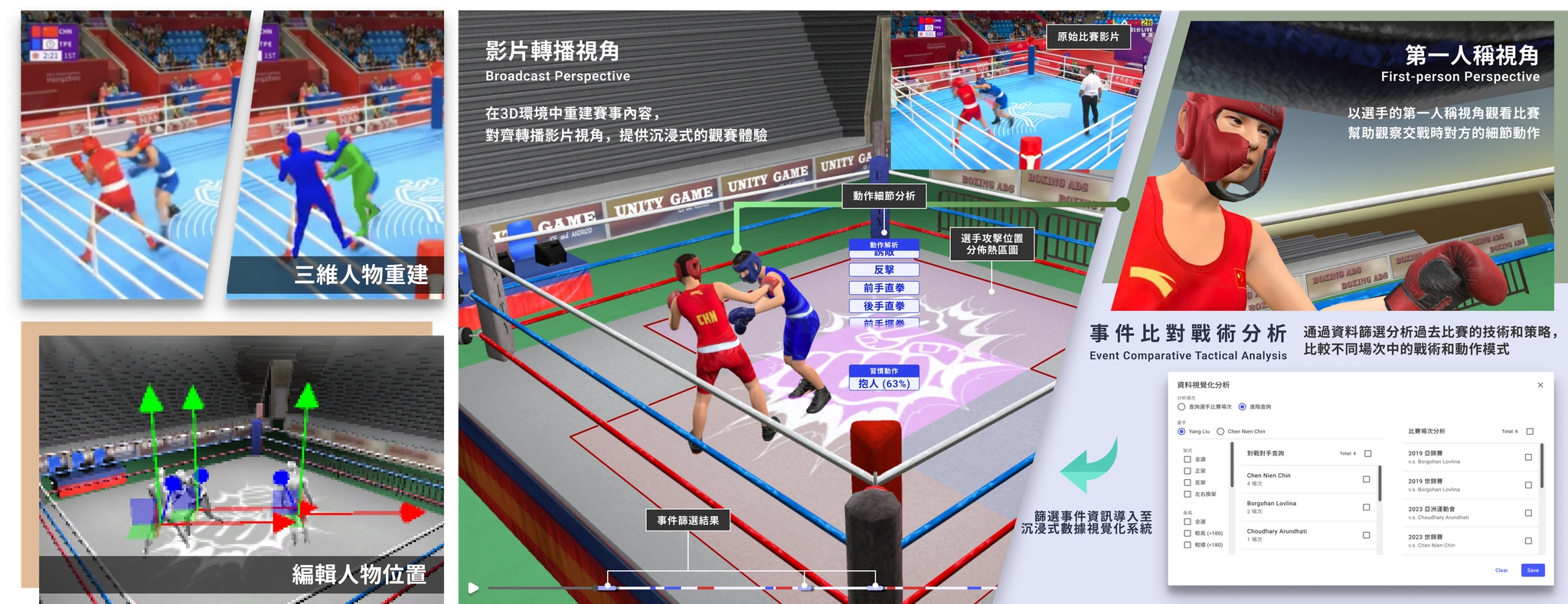

Once poses are extracted, AI systems:
Infer depth and rotation
Estimate center of mass
Rebuild foot placement and timing
Smooth missing data across frames
This produces a 3D motion skeleton that can be:
Retargeted to a game rig
Cleaned by animators
Parameterized (speed, range, rhythm)
This is how you “resurrect” motion without a mocap suit.
3. Style Learning (the important part)

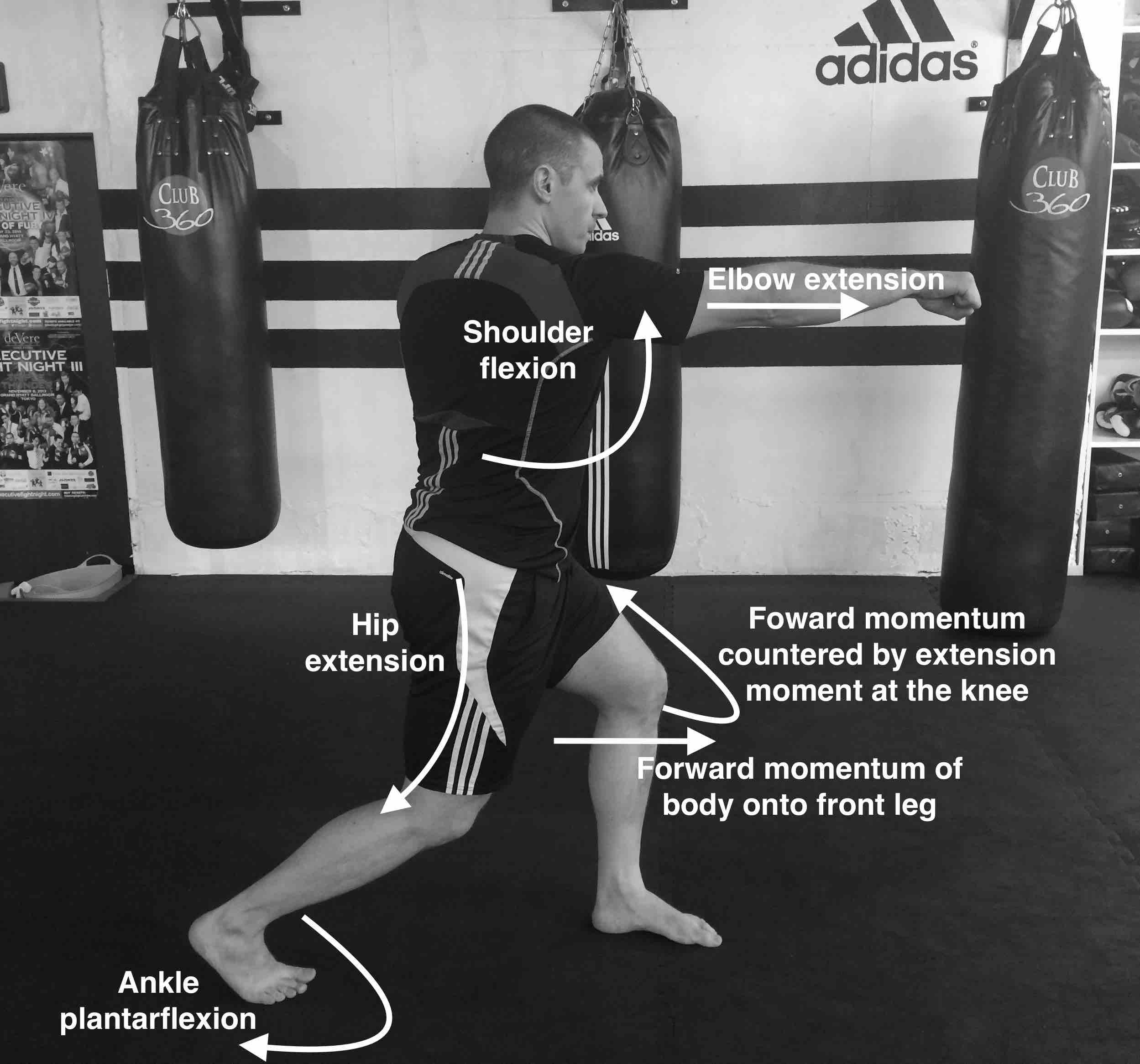
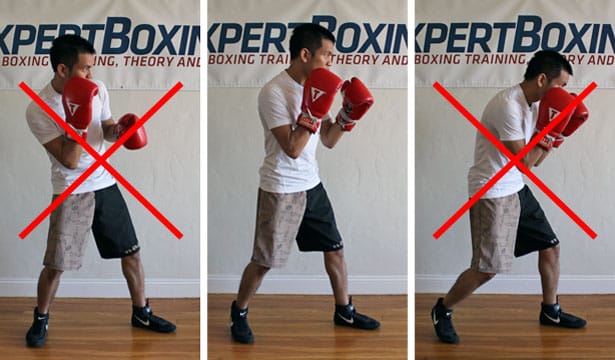
The real magic isn’t copying one punch — it’s learning patterns:
Jab rhythm
Preferred foot angles
How often they reset
How wide they punch
How they move after missing
How their guard drifts when tired
From enough footage, AI can build a style profile, not just animations.
This is how you get:
“This feels like Ali”
not
“This is Ali’s jab animation on repeat”
Why boxing legends are uniquely capturable
Boxing has huge advantages over team sports:
1-on-1 (no occlusion chaos)
Repetitive but personal mechanics
Long uninterrupted footage (rounds)
Clear cause-and-effect motion
Rich historical film archives
This is why boxers like Muhammad Ali, Joe Louis, Sugar Ray Robinson, etc., are ideal candidates.
You’re not guessing — you’re sampling thousands of real decisions.
What the output would look like in a game
Instead of:
“Ali Jab Animation”
“Ali Shuffle Animation”
You get:
Ali-style jab timing window
Ali-style foot exit preference
Ali-style range bias
Ali-style commitment level
Ali-style fatigue degradation
Animations become expressions of a system.
The honest limitations (important)
This tech is powerful, but not magic.
What it can do extremely well
✔ Rhythm
✔ Timing
✔ Style
✔ Footwork patterns
✔ Punch sequencing
✔ Recovery behavior
What still needs human input
⚠ Exact muscle force
⚠ Subtle finger/hand tension
⚠ Clinch micro-grappling
⚠ Hidden footwork when camera angle fails
That’s where boxing historians + animators come in.
The correct hybrid pipeline (this matters)
Best practice looks like this:
AI extracts motion + style from footage
Data becomes parameters, not raw animations
Animators clean and validate results
Designers expose sliders (style exaggeration, realism)
Game engine generates motion procedurally
This avoids the “uncanny valley” problem.
Why this hasn’t been done yet in boxing games
Not because it’s impossible — but because it requires:
Long-term tech investment
Respect for boxing nuance
Letting fights look messy
Systems-first design (not canned animations)
Trusting players with options
Most studios stop at “looks good in trailers.”
Bottom line
A boxing game could absolutely recreate deceased boxers’ movement from film using modern AI and computer vision — more accurately than any boxing game ever has.
Not as a gimmick.
As a living style system.
Just tell me where you want to go next 🥊
Comments
Post a Comment